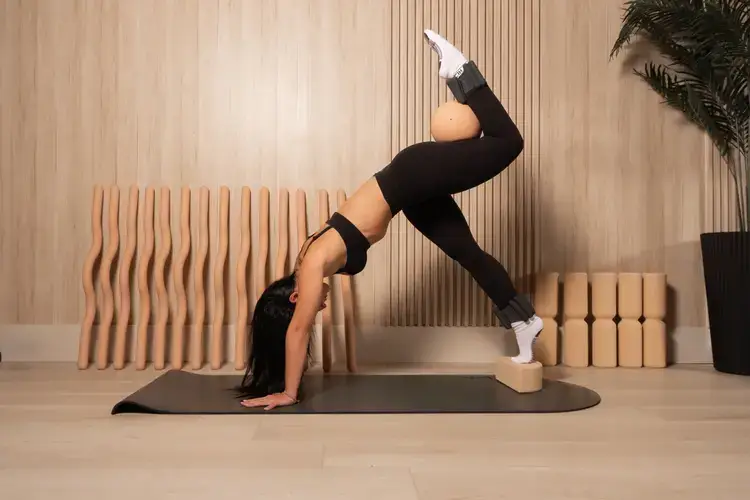
Most people walk into their first pilates class expecting a gentle stretch. They walk out unable to explain why their legs are shaking. That’s not a malfunction — that’s the method working exactly as designed. Pilates builds real strength. Here’s the science behind why, and why it hits differently than anything else you’ve tried.
The Strength Question, Answered
Yes — pilates for strength is real, measurable, and backed by how your muscles actually work.
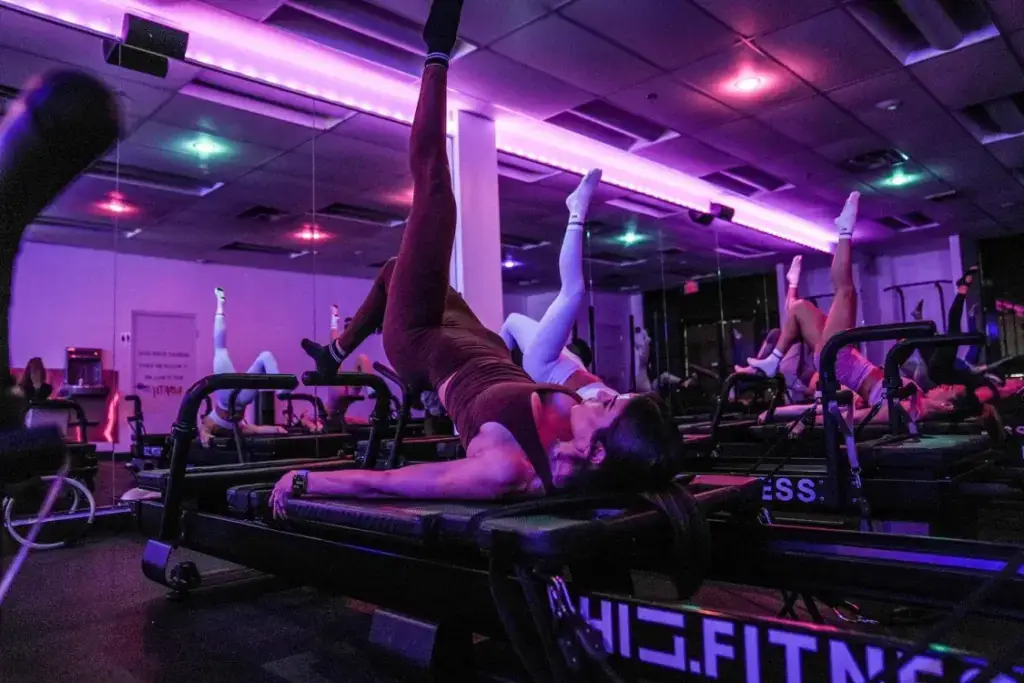
The conventional definition of strength training is “lift heavy, repeat.” That model works, but it’s not the only one. Strength is built whenever muscle fibers are recruited under sustained load — and pilates does exactly that, just through a different mechanism. Instead of moving weight through a fast, explosive range of motion, pilates demands slow, controlled movement against resistance for extended periods. The result is deep muscle fatigue, full fiber recruitment, and strength gains you feel in and out of the studio.
The research supports it: studies published in the Journal of Strength and Conditioning Research consistently show pilates training improves muscular endurance, core strength, and functional movement — particularly in the deep stabilizing muscles that traditional weight training tends to bypass.
Why Slow Is Harder Than It Looks
Here’s the part most people get wrong: slow movement isn’t easier. It’s significantly harder.
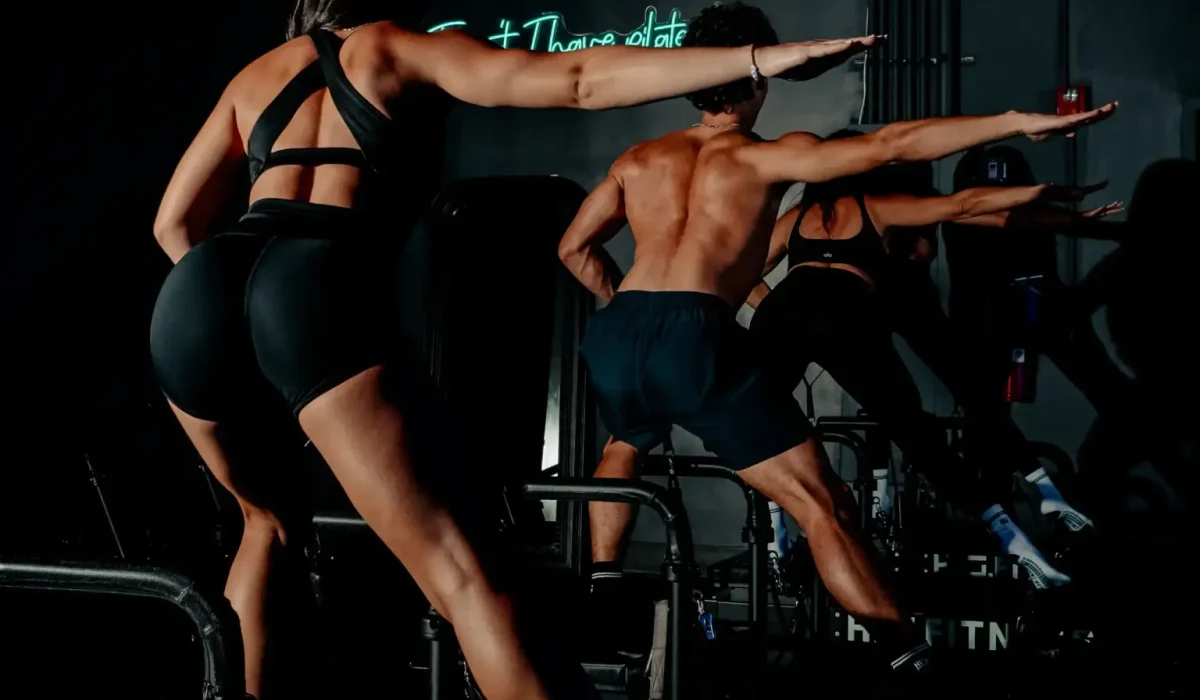
When you move quickly through a rep, momentum does some of the work. When you move slowly — holding tension through every inch of the range — there’s nowhere to hide. Your muscles stay under load for longer, which forces your slow-twitch muscle fibers to work harder and longer than they would in a traditional strength set. Slow-twitch fibers are built for endurance. They don’t fatigue quickly, but sustained time under tension eventually reaches their threshold — and that’s where the shake comes from.
The shake isn’t failure. It’s the signal that you’ve reached the fibers that actually build the long, functional strength that carries into daily movement, sport, and recovery. At HILI, we call that the signature burn — and we chase it deliberately.
4 Things Pilates Builds That the Gym Doesn’t: Pilates for Strength
Traditional strength training builds strength. Pilates builds functional strength — and there’s a meaningful difference. Here’s exactly what you’re developing every time you step onto the machine.
1. Joint Stability
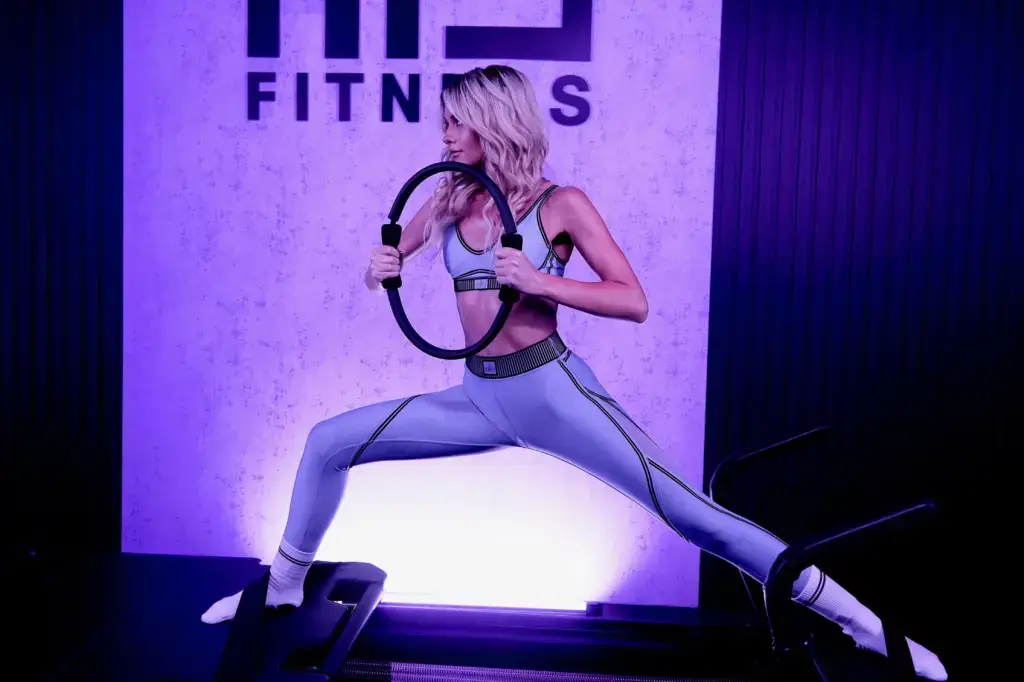
Pilates targets the deep stabilizing muscles around major joints — the rotator cuff, the hip stabilizers, the muscles along the spine — that free weights and machines tend to skip entirely. Stronger stabilizers mean less joint stress, better mechanics, and a body that holds up over time. It’s the difference between strength that looks good and strength that actually works.
2. Postural Strength
You build strength in the position your spine is in most of the day. Pilates trains the muscles responsible for upright posture, which means the gains transfer directly into how you carry yourself — at a desk, in a workout, on a long walk. Members notice this one fast: two weeks in, you’re standing differently.
3. Eccentric Muscle Control
Pilates loads muscles eccentrically — meaning they’re working hardest as they lengthen, not just as they contract. Eccentric strength is where injury prevention lives. It’s also one of the fastest ways to develop lean muscle, because the precise load during that lengthening phase is what triggers growth at the fiber level.
4. Core That Actually Stabilizes
Not just crunches — deep stabilization. Pilates activates the transverse abdominis and multifidus, the muscles that wrap and brace your spine rather than just flex it. A strong outer core looks good. A strong deep core is what keeps your back healthy, your hips even, and your whole movement pattern working the way it’s supposed to.
What the XFormer Adds to the Equation
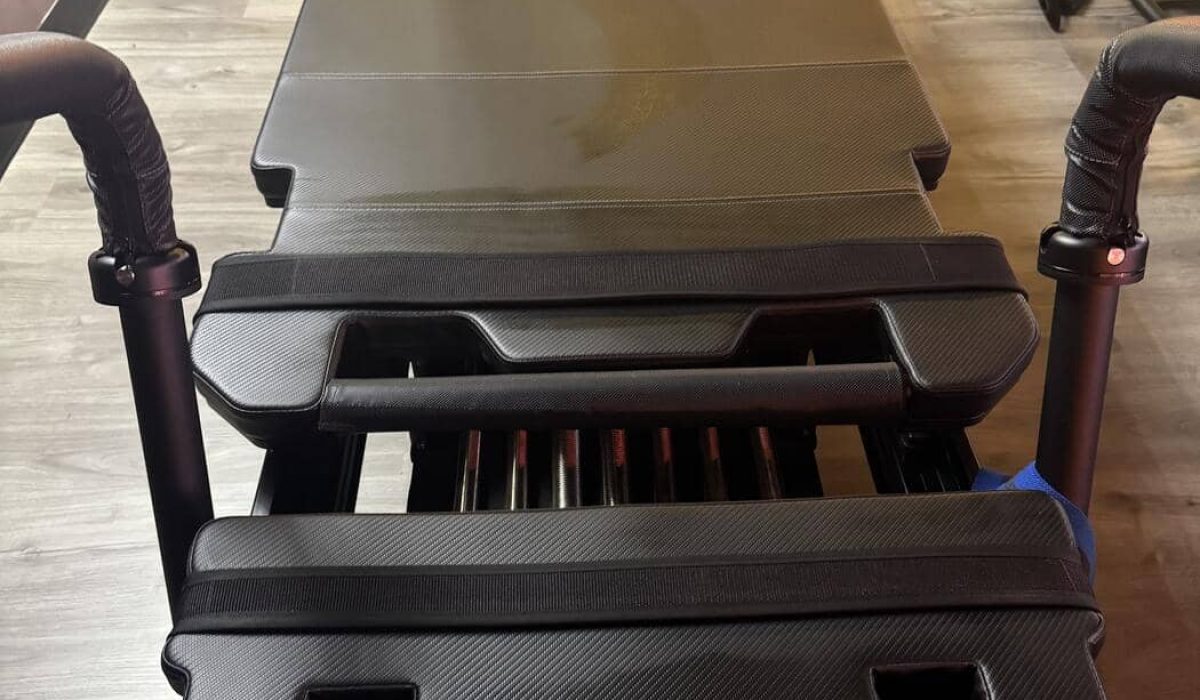
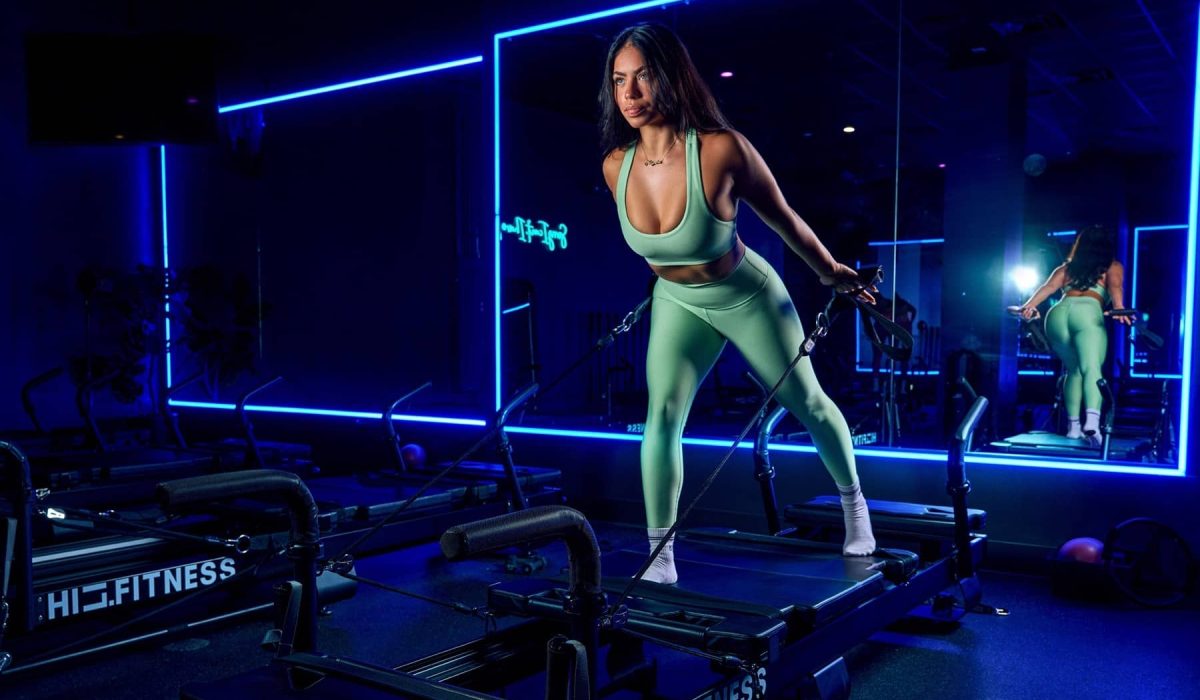
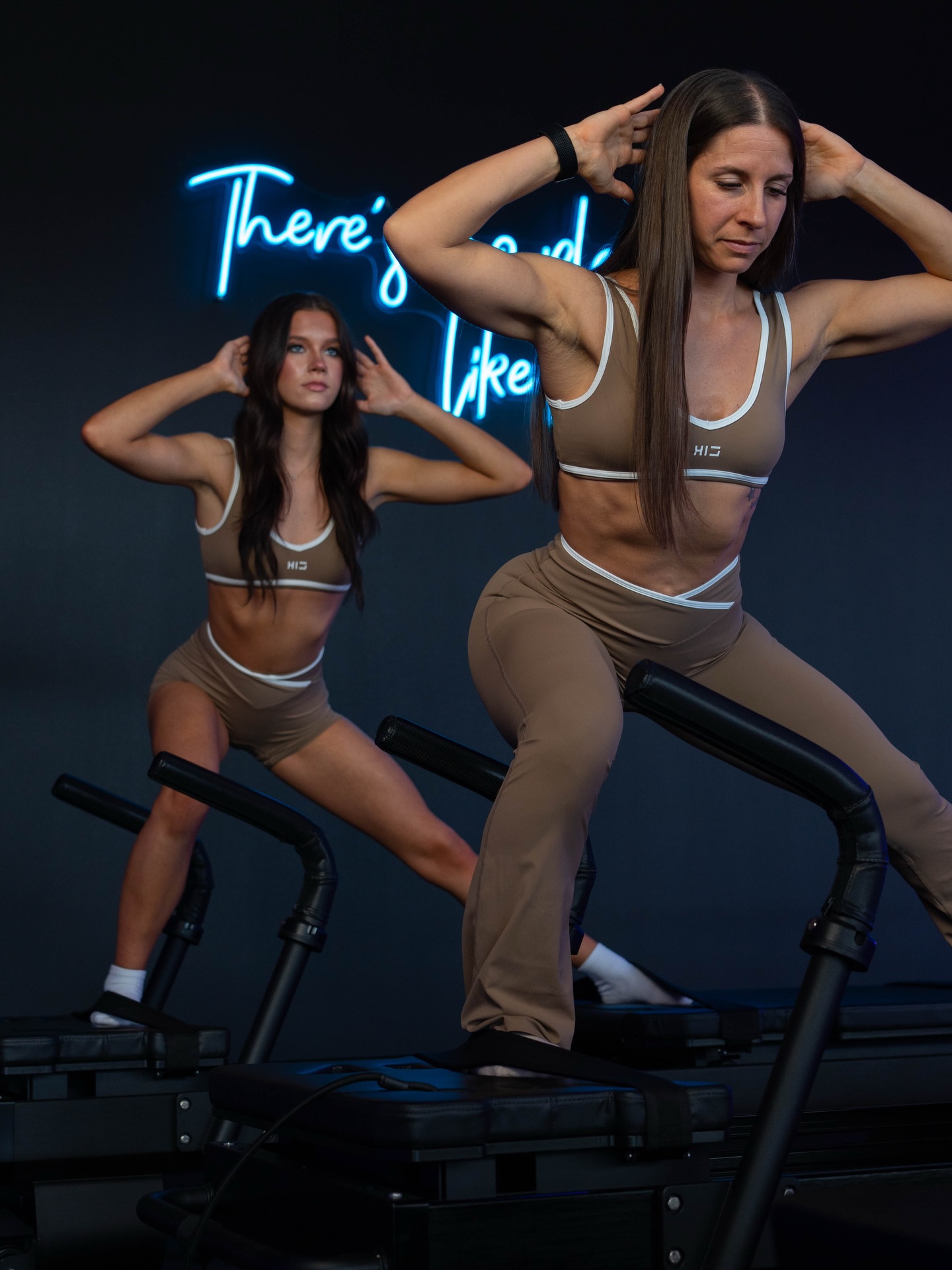
XFormer pilates is HILI’s answer to the gap between traditional pilates and conventional strength training — and it’s why what we do isn’t quite like anything else.
The XFormer uses spring-loaded resistance to create a progressive load that adjusts to your body position throughout the movement. That means the resistance isn’t fixed — it increases as you move through ranges where you’re strongest and decreases where you need more control. The result is more total time under tension per rep, more complete fiber recruitment, and a stimulus that builds strength more efficiently than either pilates or the gym alone.
For athletes looking to cross-train, the XFormer closes the gap. For people who’ve never been in a gym, it’s the most honest introduction to real strength work available.
How to Know It’s Working
The shake is the first signal. If you’ve felt it by minute 10 of your first class, the method is already recruiting muscle fibers you didn’t know existed.
What comes next: expect delayed-onset muscle soreness (DOMS) in muscles that rarely get sore at the gym — inner thighs, hip stabilizers, deep abdominals, the muscles around your shoulder blades. That soreness is information. It tells you exactly which stabilizers had been dormant.
Over four to eight weeks of consistent training, the visible changes come — more definition, better posture, a noticeable shift in how you move. But the functional changes come first: you’ll feel it in how you stand, how you recover from other workouts, and how much easier everyday movement becomes.
Common Questions About Pilates for Strength
Is pilates considered strength training?
Yes. Pilates is strength training — specifically, it targets slow-twitch muscle fibers through sustained time under tension and eccentric loading. The mechanism differs from traditional weightlifting, but the outcome is real muscular strength, particularly in the deep stabilizing muscles that conventional training tends to miss.
Can pilates replace weight training?
For most goals, pilates is a complement to weight training rather than a replacement — though many people train exclusively in pilates and see significant strength and body composition results. The XFormer at HILI adds spring-loaded resistance that bridges the gap between the two methods, making it closer to strength training than traditional mat pilates.
How long does it take to build strength with pilates?
Most people notice functional changes — improved posture, reduced joint discomfort, better stability — within two to four weeks of consistent training. Visible strength and muscle definition typically develop over four to eight weeks of three-to-four sessions per week.
Why does pilates make you shake?
The shake happens when slow-twitch muscle fibers reach their endurance threshold under sustained tension. It’s the same mechanism behind why holding a wall sit gets progressively harder — your muscles are working at the limit of their capacity. At HILI, we treat the shake as confirmation the method is working.
Every rep you’ve held through the shake, every slow tempo you’ve maintained past the point of comfort — it’s building something that carries beyond the studio. The science is clear. The results compound.
See the full schedule and book a class at your nearest HILI studio.