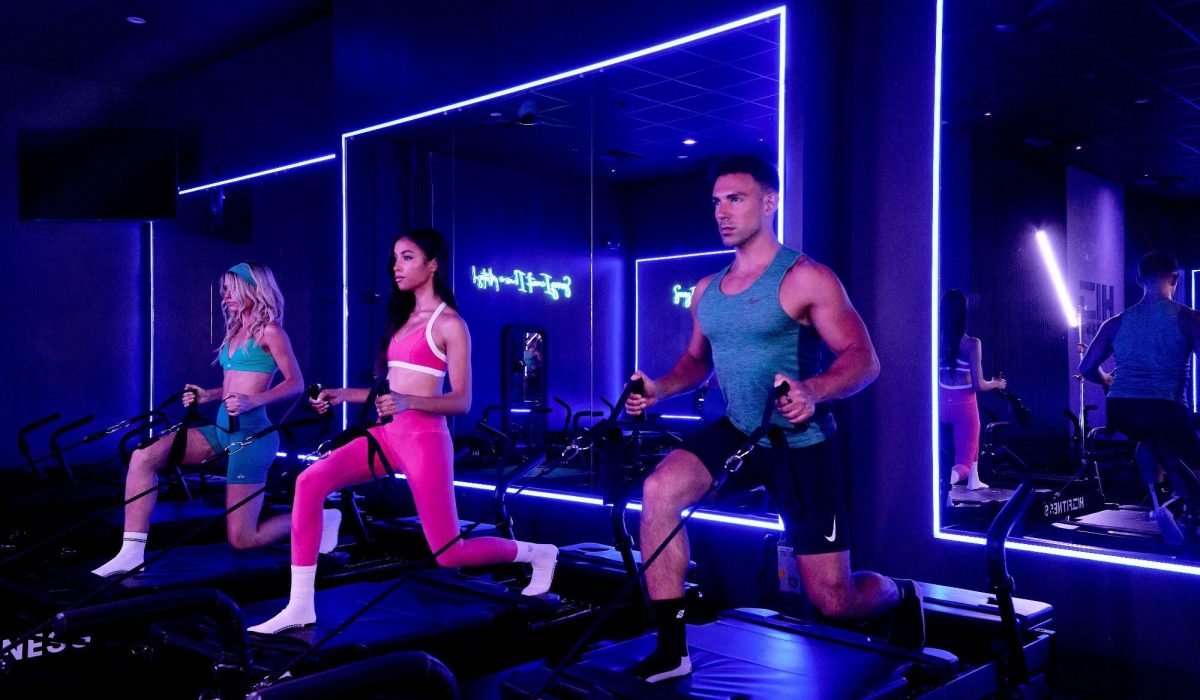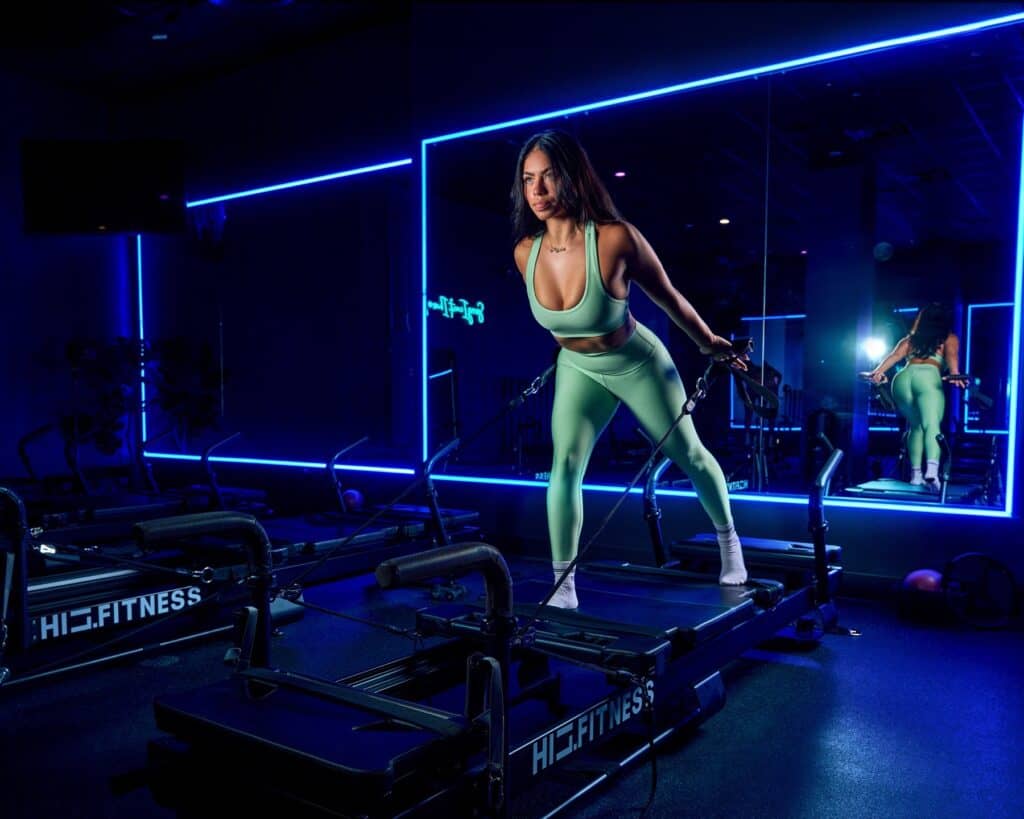
You can deadlift twice your body weight and still wobble on one leg. Plenty of athletes find that out the hard way, usually the first time an instructor asks them to hold a slow single-leg press for a full minute.
That wobble is the gap. Pilates for athletes is about closing it.
Lake Nona is full of people who train seriously, from the tennis courts at the USTA National Campus to the fairways at the country club to the 5am run groups. Here’s what slow, controlled resistance work adds to a training week that’s already full.
Big Lifts Build the Engine. Pilates Builds the Steering.
Heavy compound lifts are brilliant at building force. Sport is great at building skill. Neither spends much time on the small stabilizing muscles that keep your hips, knees, and spine lined up when you change direction, land, or rotate.
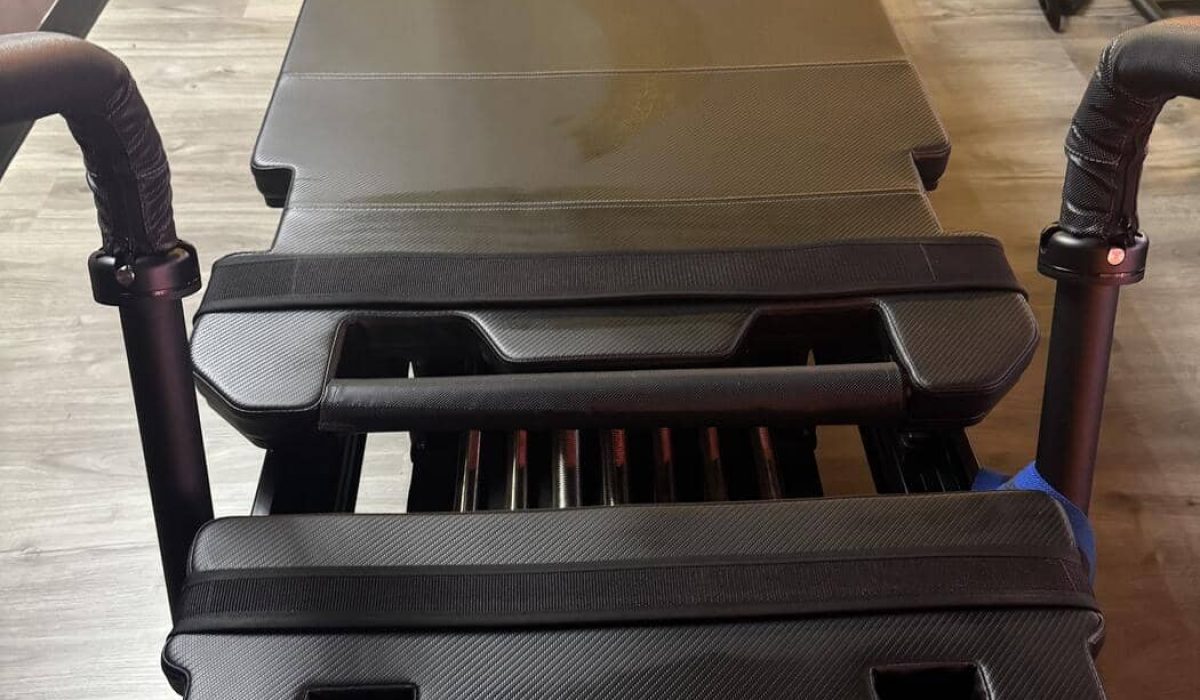
Slow, controlled resistance work goes straight at those. When you move slowly against spring tension, there’s no momentum to hide behind, and the muscles that steer the big ones have to do their job.

Love this place. I’m in and out in 50 mins and I know the workout has done its thing bc I’m sore in the best way. I’ve been lifting for years but these workouts target all my smaller muscles that I know will help me further in my wellness/fitness journey. Plus the slow movements are great for someone who is always on the go, and help me feel more present. The space is super cute and Instagram-able too. Look forward to every class!
Carolyn Moore
What Pilates Adds to an Athlete’s Week
| What your sport needs | What heavy lifting gives you | What XFormer and Hot Mat add |
|---|---|---|
| Single-leg stability | Some, from split squats and lunges | Long, slow single-leg holds under tension |
| Rotational control | Limited | Controlled anti-rotation and oblique work |
| Deep core strength | Bracing under heavy load | Endurance in the deep stabilizers |
| Hip mobility | Often tight | Strength through a bigger range of motion |
| Recovery between hard days | High joint load | High muscle demand, low joint impact |
| Hardest part | The last rep | The last ten seconds of a slow hold |
Golf, Tennis, and Running: Where It Shows Up
Golfers
A golf swing is a rotation built on a stable base. If your hips can’t rotate under control, your lower back usually picks up the slack. Pilates trains hip strength and control through the full range of the swing, and deep-core endurance that holds up through 18 holes.
Tennis Players
Tennis is lateral cuts, split steps, and reaching for balls you shouldn’t get to. Every one of those asks a single leg to absorb force and redirect it. Slow, single-leg work on the XFormer builds the strength to control that, and rotational core work carries straight into your groundstrokes.
Runners
Running is basically one single-leg landing after another, thousands of times. Hip and glute stability is what keeps your knee tracking straight on mile ten. HILI classes are no-impact, so they fit around a heavy running week instead of competing with it.
Low Impact Isn’t Low Effort
Athletes sometimes assume pilates is the “easy day.” Then they take a class.
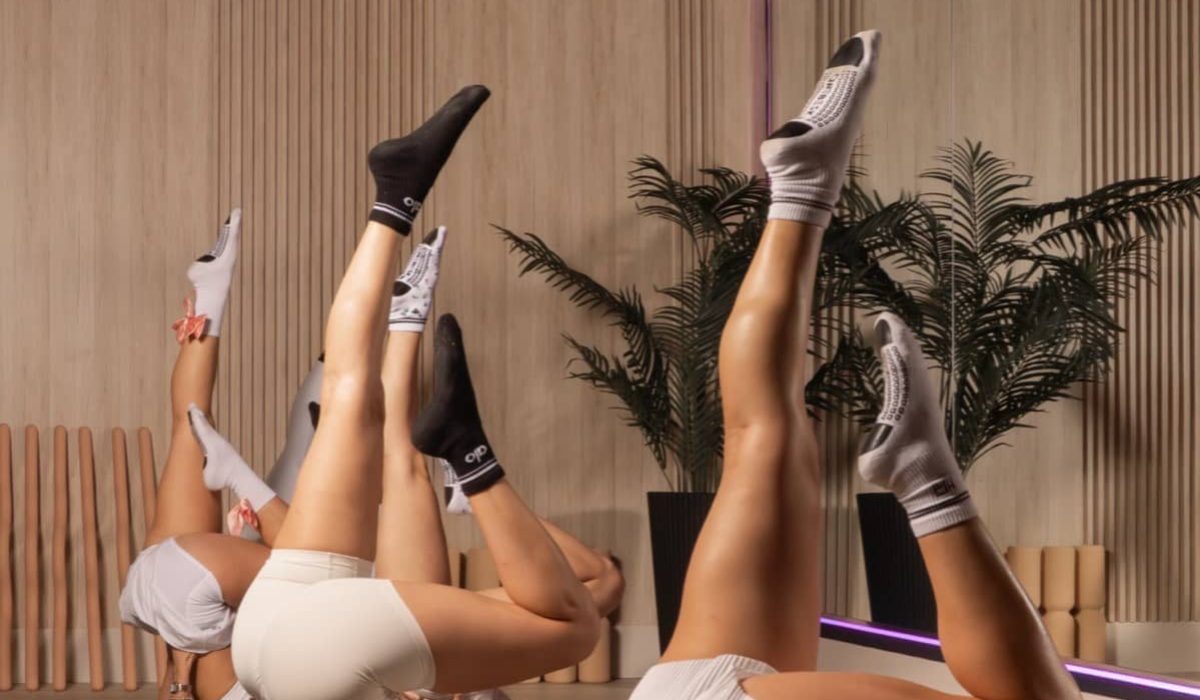
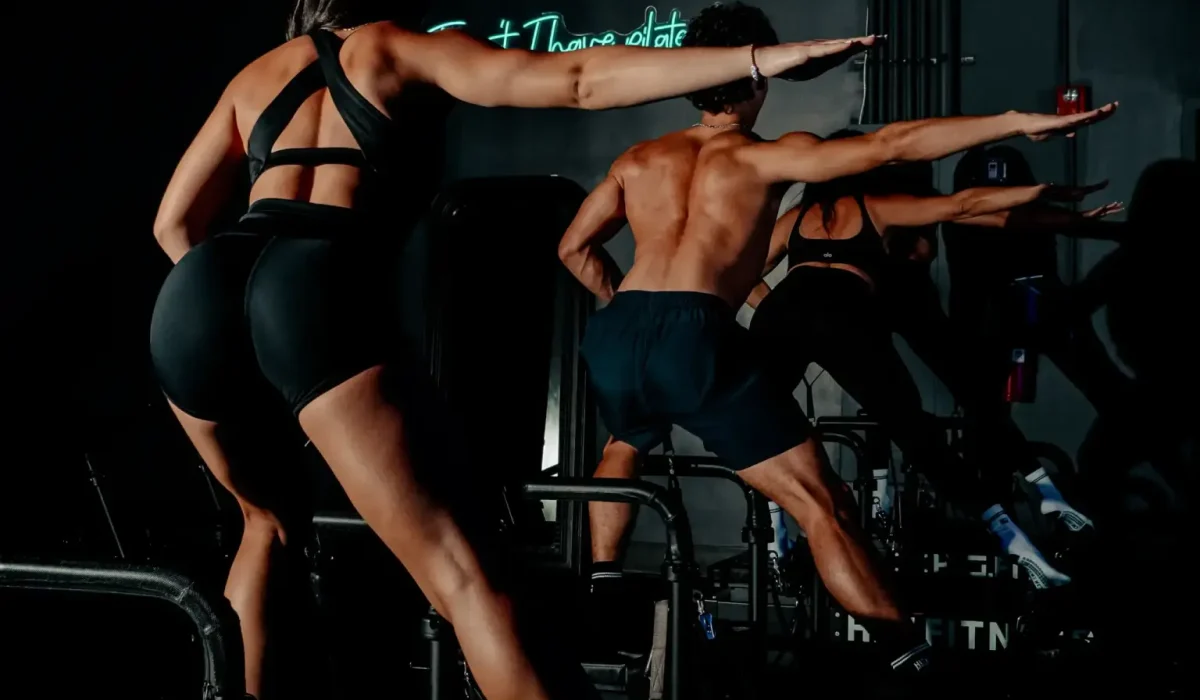
HILI stands for High Intensity, Low Impact. There’s no jumping and no pounding, so your joints get a break, but slow tempo and time under tension make the muscles work harder than most people expect. On the XFormer, the slower you go, the harder it gets.

Hili has been my favorite workout alternative when I don’t feel like lifting weights at the gym. Leana has a spark that makes your workout all worth it, even through the shakes and all. She has been one of my top favorite instructors, I promise her class will never disappoint.
Jessica RamonesThat’s why it works as a recovery-friendly training day. You can push hard without stacking more impact on knees, ankles, and shoulders that already took a beating this week.
How to Fit It Into Your Training
- One or two classes a week is plenty to start
- Put it on lighter days: after a heavy lift or long run, not before a race or a match
- Start with the XFormer: it’s the most direct strength carryover
- Add Hot Mat for mobility and core endurance once you know the movements
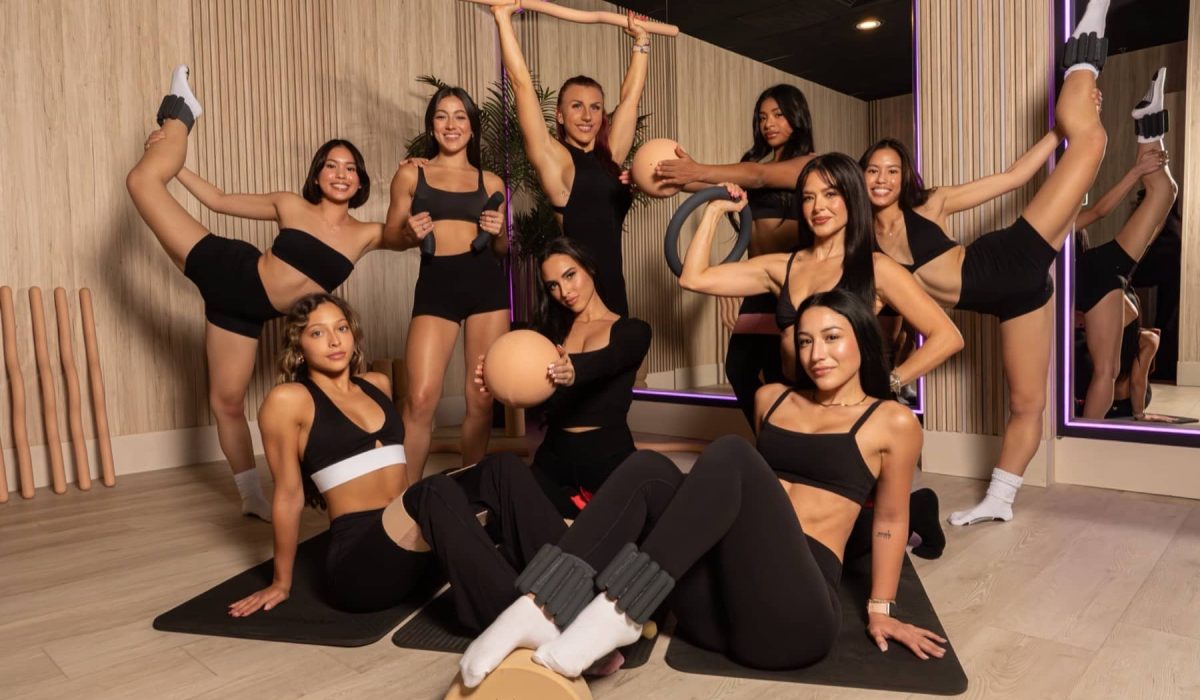
- Tell your instructor what you train for: they’ll cue what matters for your sport
Common Questions
Is pilates good for athletes?
Yes. Pilates trains the deep core, hip stabilizers, and single-leg control that heavy lifting and sport-specific training tend to underwork. Because it’s low impact, it adds real muscular demand without extra stress on joints.
Is pilates good for golfers?
Pilates helps golfers by building hip strength and rotational control through the full range of the swing, plus core endurance that holds posture late in a round. Many golfers add one or two sessions a week alongside their regular training.
Is pilates good for tennis players?
Tennis demands single-leg control, quick direction changes, and rotational power. Slow single-leg and anti-rotation work in pilates builds the stability behind all three, without adding impact to a schedule that’s already hard on knees and shoulders.
Can pilates replace weightlifting?
For most athletes, pilates works best alongside lifting, not instead of it. Heavy lifting builds maximal strength. Pilates builds the control and stability that help you use it.
Your sport makes you fast, powerful, and skilled. Slow work makes you hard to break. Come see what a full minute on one leg feels like at Lake Nona or Waterford Lakes.