Stairs make a noise you don’t like. Running stopped being fun. Jump squats are a hard no. If that sounds like your knees, you’ve probably been told to “go easier.”
Easier isn’t always the answer. Smarter usually is.
Low-impact training means no jumping and no pounding, but it doesn’t mean low effort. Here’s why so many people with cranky knees end up at HILI, what to expect, and what to sort out before your first class.
First, the honest bit. We’re a pilates studio, not a clinic. Knee pain has a lot of possible causes, and we can’t diagnose or treat any of them. If you have a recent injury, swelling, or pain that’s getting worse, see a doctor or physical therapist first, and ask them what you’re cleared for.
Your Knees Hate Impact. Your Muscles Love Load.
A lot of knee discomfort during exercise comes from impact: the repeated jolt of landing from a jump or a running stride. Low-impact training takes that out of the equation while keeping the muscles around the knee working hard.
That matters, because the muscles that support your knees, your quads, hamstrings, glutes, and hips, still need strength work. Slow, controlled resistance lets you train them without the pounding.
Why Controlled Movement Changes the Picture
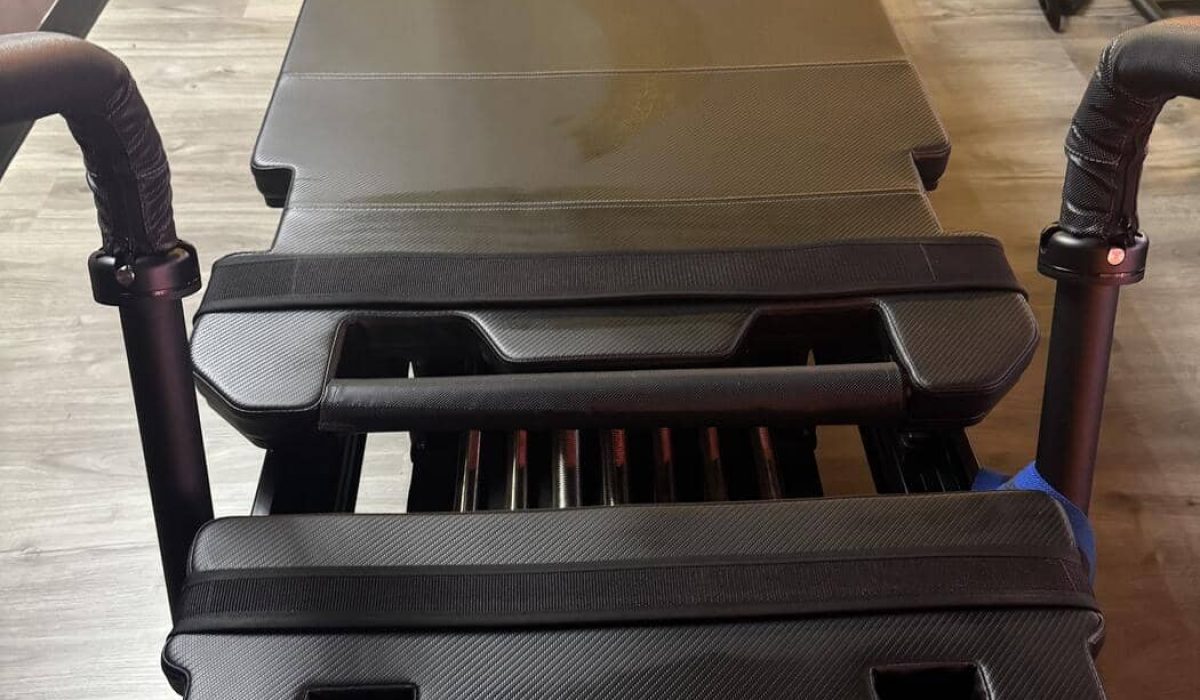
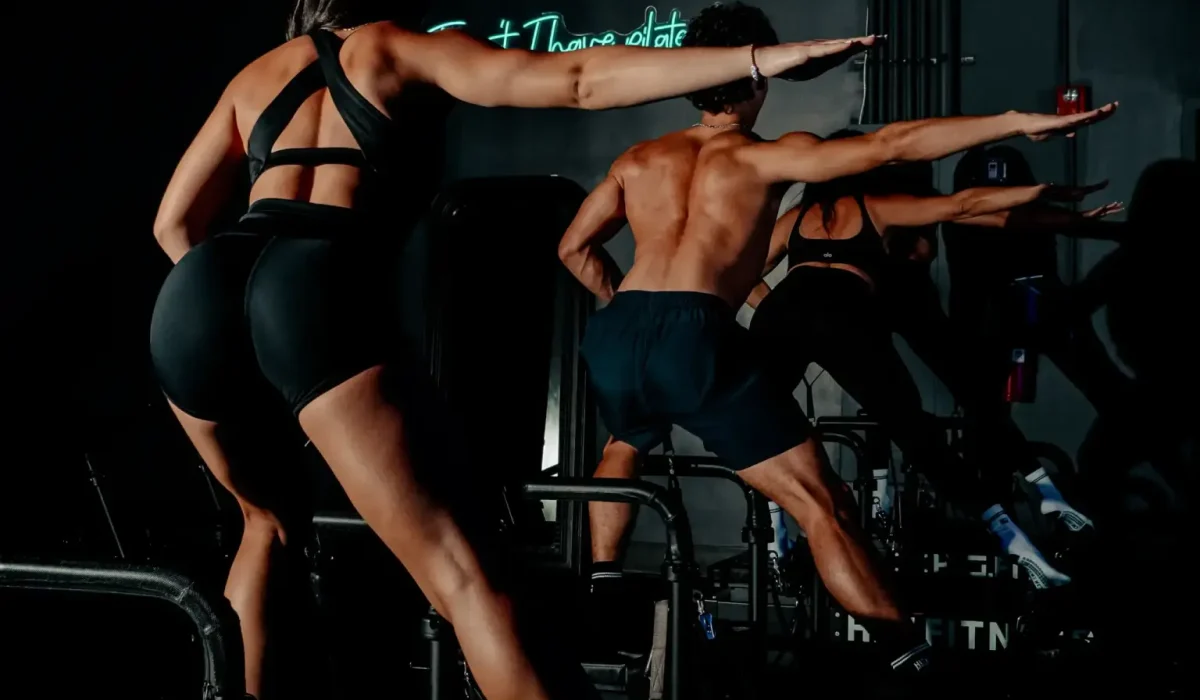
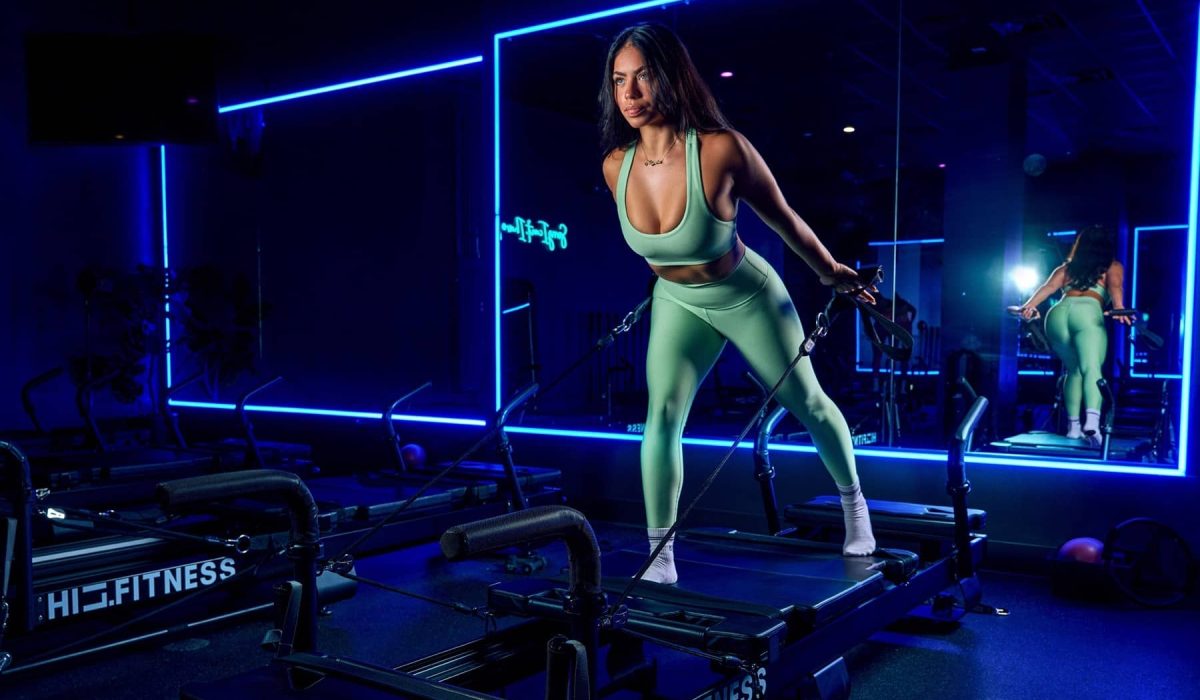
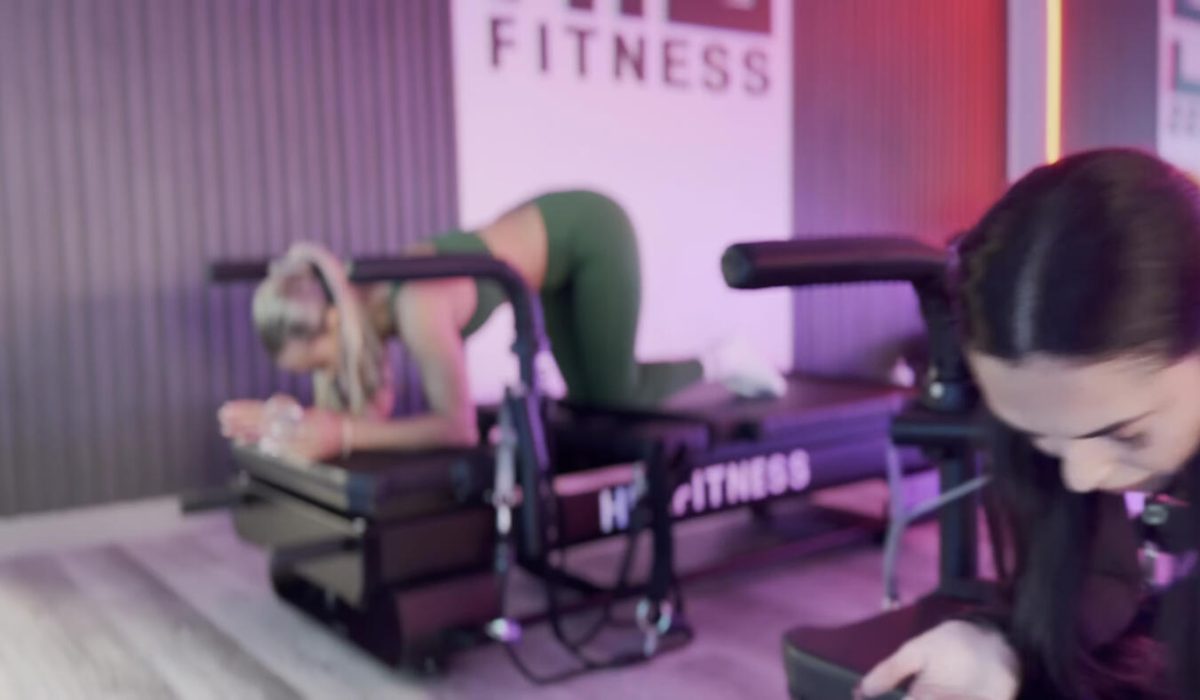
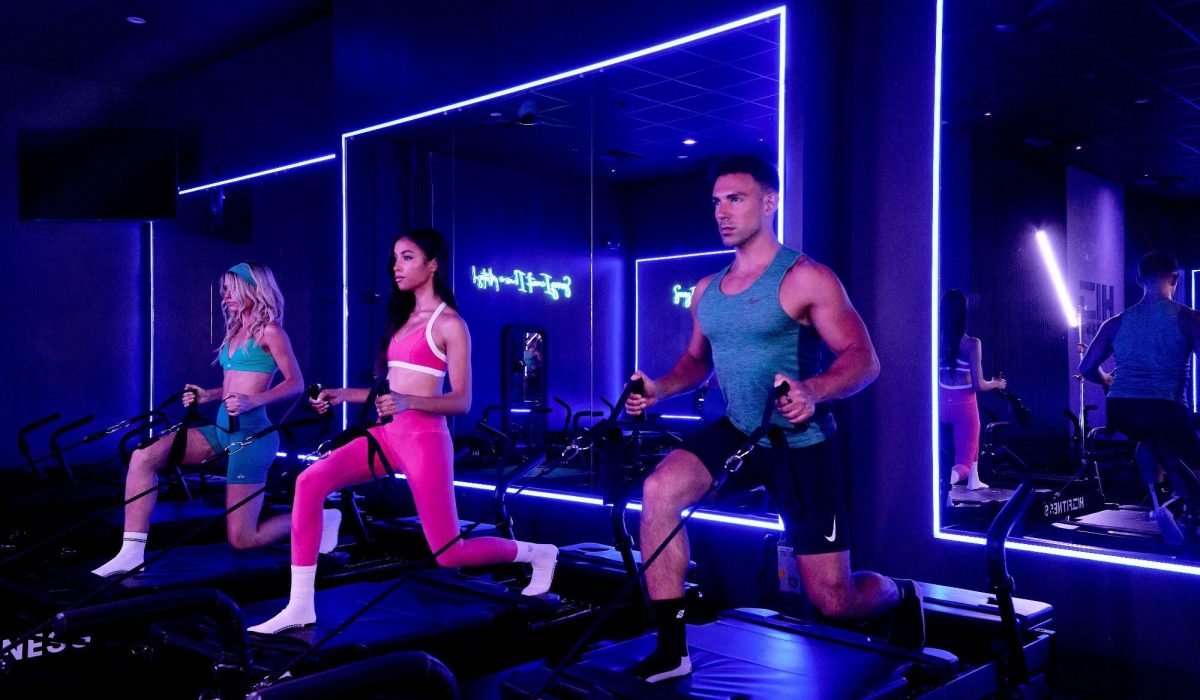
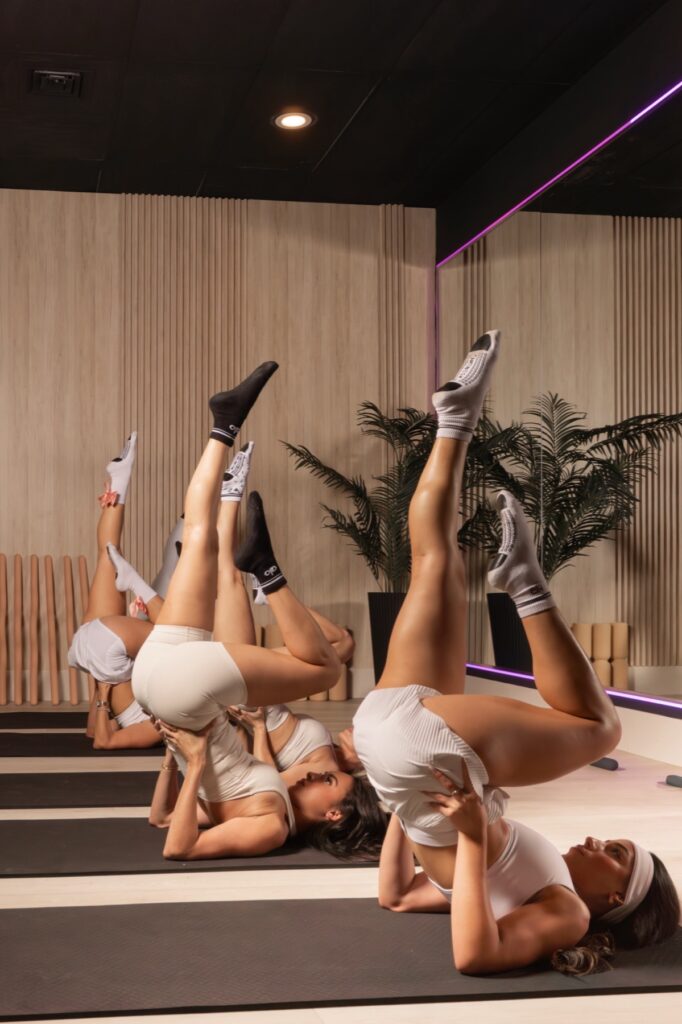
At HILI, every movement is slow and deliberate. On the XFormer, you’re working against spring tension through a range you control. In the hot room, you’re on a mat, with no jumping at all.
- No impact: no jumping, no landing, no bounding
- Slow tempo: you control every inch of the movement
- Adjustable range: you work within the range that feels right for you
- Modifications on every move: your instructor can swap anything that doesn’t sit right
- Hip and glute focus: a lot of HILI programming hits the muscles that help your knees track well

Love love love the staff and Lexi & Naomi as my instructors so inspirational and really pushes you to work hard correcting your form so you don’t hurt yourself but pushing you to a limit them know you can reach and beyond. Got my membership here (:
keishaWhat to Tell Your Instructor Before Class
The single most useful thing you can do is speak up before class starts. Our instructors scale every class to the room, but they can only work around what they know about.
- Which knee, and what bothers it: deep bending, kneeling, twisting, or something else
- What you’ve been cleared to do: if you’re working with a PT, share their guidance
- What’s off-limits for now: they’ll give you an alternative, not a lecture

Tried this studio for the first time and absolutely loved it! Ana, the owner, was super welcoming and made the booking process smooth and easy. Our instructor, Marcela, brought the heat—literally and figuratively. I had mentioned accommodations for my back and neck. Her class was intense, challenging, and exactly what I needed to push myself. She’s tough in the best way possible and keeps you motivated the whole time. The energy in the studio was great, and I left feeling stronger, refreshed, and already looking forward to the next session. Highly recommend!
roycela mejia
XFormer or Hot Mat? Start Here.
| XFormer | Infrared Hot Mat | |
|---|---|---|
| Position | A mix of positions on a moving, spring-loaded platform | Mostly on the mat: lying, seated, kneeling |
| Load on knees | Adjustable with springs and range | Bodyweight and light weights |
| Kneeling | Some exercises, with alternatives | Some exercises, with alternatives |
| Why it helps | Strength around the knee without impact | Hip and core work, warm muscles |
| Good first step | Form Foundation | Any Hot Mat class, with a heads-up to your instructor |
If kneeling bothers you, bring a folded towel for padding and tell your instructor. There’s always another way to do the move.

I absolutely love taking Hot Pilates with Leana at HiLi Fitness in Waterford Lakes! She has such an amazing way of pushing you to bring out your very best. Leana doesn’t let you slack off or give up—she keeps you motivated from start to finish. One of the things I appreciate the most is that her class is truly for all levels. She offers modifications so that no matter your experience, you can challenge yourself and still feel supported. Highly recommend her class if you want to get stronger, sweat, and leave feeling accomplished!
Amanda Jusino
Listen to Pain. Don’t Ignore It.
Working hard and working through sharp pain are different things. Burning muscles and shaking legs are expected. Sharp, pinching, or worsening pain in the joint isn’t. Stop, tell your instructor, and take the modification.
Common Questions
Is pilates good for knee pain?
Many people managing knee pain choose pilates because it’s low impact and strengthens the muscles around the knee without jumping or pounding. It isn’t a treatment, so check with a doctor or physical therapist about your specific situation first.
Is reformer pilates good for bad knees?
Reformer-style training like the XFormer lets you work against adjustable spring resistance in a controlled range, with no impact. Many people with knee issues find it more comfortable than running or jumping workouts. Tell your instructor about your knees so they can modify as needed.
What exercises should I avoid with knee pain?
That depends on your knee, so your doctor or physical therapist is the right person to ask. In class, let your instructor know what bothers you, whether that’s deep bending, kneeling, or twisting, and they’ll offer alternatives.
Is low-impact exercise still a real workout?
Yes. Low impact means no jumping or pounding, not low effort. At HILI, slow tempo and time under tension make classes very challenging. Most people are shaking by the middle of class.
Cranky knees don’t have to mean the end of hard workouts. They just mean training smarter. Tell us what’s going on, and come try a class at Waterford Lakes or Lake Nona.